How Does Void Fill Work?
Preventing damage is a top priority for businesses shipping merchandise to customers or sending parts internally. Void filler is a perfect solution to reduce breakage and wear. But what is it, and how does it accomplish that?
When you choose the right void fill, you not only protect your merchandise, but also protect the planet. That lets your business stay in compliance with new regulations and improves customer satisfaction, leading to better reviews and financial growth.
The Purpose of Void Fill
To Protect Items from Damage
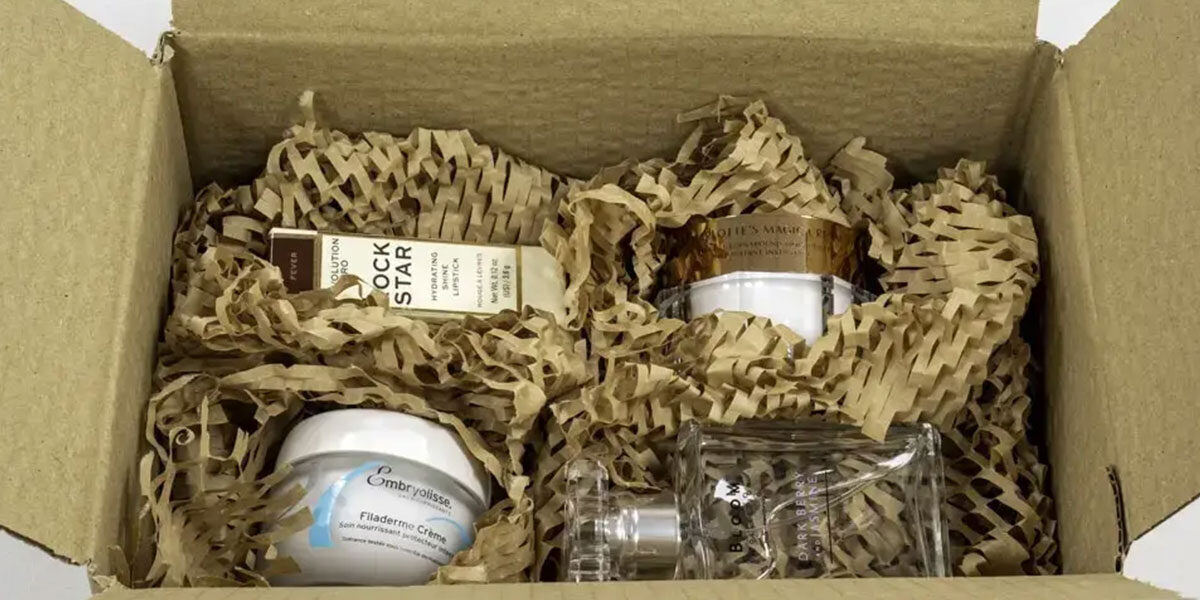
Void fill, also called void filler, cushions goods packed in boxes and other containers. It fills in gaps so items don’t bump into each other, causing breakage or scratches.
Without void fill, products can arrive at their destination broken, cracked, or scuffed. This, in turn, leads to expensive replacements and dissatisfied customers.
As so many shipping carriers are now under pressure to deliver within strict time metrics, handling is often rougher. High-quality void fill ensures your items stay in pristine condition even when parcels are dropped or tossed on a porch.
To Reduce Returns
Is your business losing money due to a high rate of returns and exchanges for damage? You not only have to pay for merchandise losses, but you also pay for extra shipping. And if the customer is unhappy, you may pay a less quantifiable cost in the form of poor reviews that may keep new customers away.
Returns for damage, though, are largely avoidable. Use the right void fill, and your items will reach their destination well protected and looking good.
To Enhance Product Presentation
Speaking of looking good, you want your merchandise to shine in your customer's eyes when they open a box. This is particularly important with:
- Multiple items in one box (potential for scuffing)
- Gift orders for holidays and special occasions
- Subscription boxes containing other companies’ goods
- Newly launched products presented by influencers
When you choose a high-end void fill, you actually boost your brand image because everything appears video-ready even after days in transit.
Different Types of Void Fill
Bubble Wrap
Whether it’s made with small or large bubbles, this conventional wrap is made from low-density polyethylene (LDPE). The air-filled pockets provide shock absorption.
However, LDPE isn’t curbside recyclable. And bubble wrap, as the name implies, is really designed for wrapping, not filling voids.
Packing Peanuts
These foam pieces, made of either polystyrene foam (EPS) or dissolvable cornstarch fill empty spaces in parcels to eliminate shifting of items.
The downside is that the EPS version is not recyclable, and customers complain about disposal issues and static cling. Biodegradable options aren’t always practical and may cost more.
Air Pillows
This method of cushioning uses inflatable plastic pouches filled with air. They’re designed to work in larger voids.
But they’re also made from either high-density or low-density polyethylene, neither of which is environmentally friendly. Also, their predetermined shape makes them less flexible in some spaces.
Foam Inserts
For precision protection, many companies use pre-cut or custom-molded foam inserts to secure items. These may be made of:
- Polyethylene (PE) foam
- Polyurethane (PU) foam
- Expanded polystyrene (EPS)
Like packing peanuts, these foam products are not recyclable.
Kraft Paper
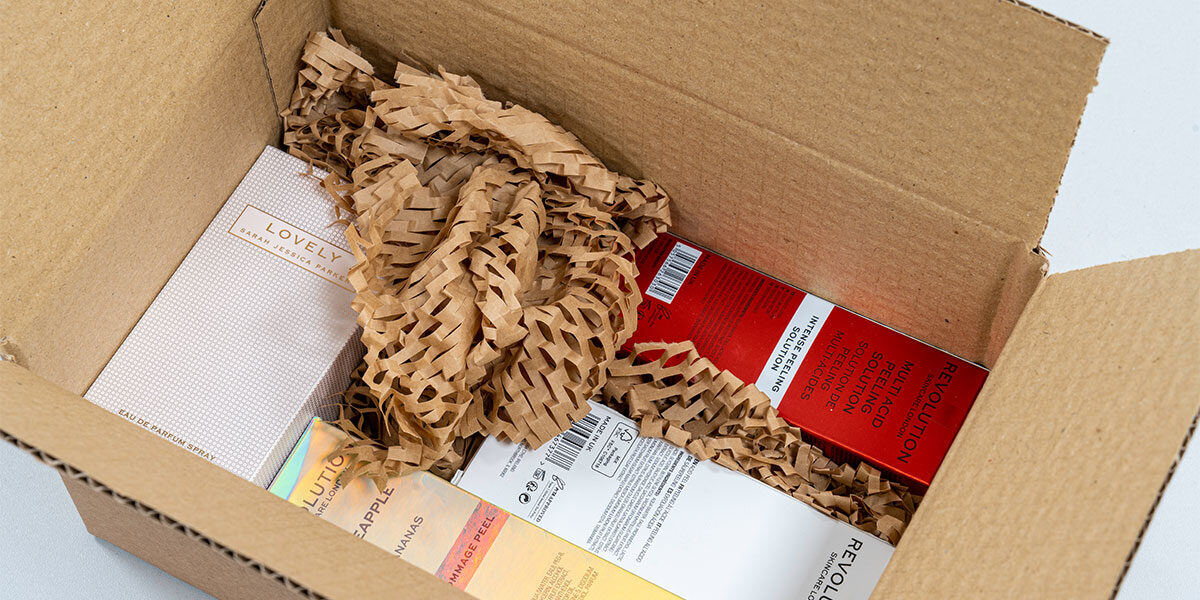
This durable brown paper can be wrapped around merchandise or crumpled for void fill. Sometimes it comes pre-shredded and crinkled to stuff in empty spaces. Kraft paper is a more eco-friendly alternative to non-recyclable foam and plastic void fill, providing moderate protection.
HexaFil™
HexaFil is made from 100% PEFC-certified Canadian paper and is fully recyclable and compostable. It combines the environmental friendliness of kraft paper with a unique slit-paper honeycomb design for more effective cushioning.
It can be dispensed manually or automatically, transforming a 2D product into a 3D spiral that maintains its springiness and doesn’t compact over time.
HexaFil: Sustainable Void Fill with Superior Cushioning
We’ll talk more below about why sustainability should be important to your business. But first, let’s look at why HexaFil is an ideal void-filling solution for all kinds of businesses. In addition to being recyclable and eco-friendly, its benefits include:
- Superior stability - It maintains its cushioning ability from start to finish, thanks to its innovative engineering.
- Complements product wrap: HexaFil was designed to work both on its own and with HexcelWrap, a sustainable product wrap. The two can interlock for added stability within a package. In fact, void fill is primarily meant to prevent the shifting of goods, while product wrap provides a protective layer.
- Ease of use - Manual dispensing makes the void fill simple to use at checkout counters and art fairs, while automated dispensing suits high-volume businesses. But neither requires extensive training.
- Cost savings - You can reduce waste using HexaFil’s cut-to-length feature with the AutoHexaFil dispenser. This gives you a consistent amount of void fill every time and can be customized to different packing scenarios.
- Aesthetic options - For choices in how a package looks, HexaFil is available in both white and natural colors to suit the brand and product.
- Flexible and scalable - HexaFil can be used in virtually any industry, from pharmaceuticals to aerospace. It works equally well for small businesses as enterprise-level ones, and it can scale with your growth.
Why Sustainable Packing Is a Must for Your Business
Customer Demand
Consumers are increasingly demanding sustainable packaging due to the environmental and health hazards posed by plastic and polystyrene. Gen Z and Millennial shoppers are leading the charge, but demand for sustainable packaging spans all ages. And these consumers are even willing to pay more for sustainable packing materials. They also prefer to do business with companies that value sustainability.
Compliance with New Regulations
You may have heard that some states are enacting new legislation that encourages more recycling and eventually phases out single-use packaging in favor of sustainable alternatives. More states are jumping on the wagon, and soon most of the country is likely to make non-recyclable packaging—like plastic void fill—too costly to be practical.
European Union nations are adopting similar laws. And many countries in Asia and Oceania are following suit. The goal is to eliminate single-use plastics by 2030. Companies that aren’t prepared for these changes will be limited in where they can do business, putting them at risk of going out of business.
Cost Savings
Sustainable packaging like HexaFil void fill also gives users places to shave their budgets:
- Reduced freight spend - lighter weight can lower shipping costs.
- Streamlined operations - quick dispensing and easy handling improve efficiency.
- Government incentives - some areas offer grants and rebates for using sustainable packaging.
Try HexcelPack’s Sustainable Void Fill Today
If you’re looking for performance, sustainability, and the potential for cost savings in one product, HexaFil checks every box. Our team is ready to help you put it to the test to protect your merchandise, no matter the size of your business. And we can assist with the right dispensing systems tailored to your needs.
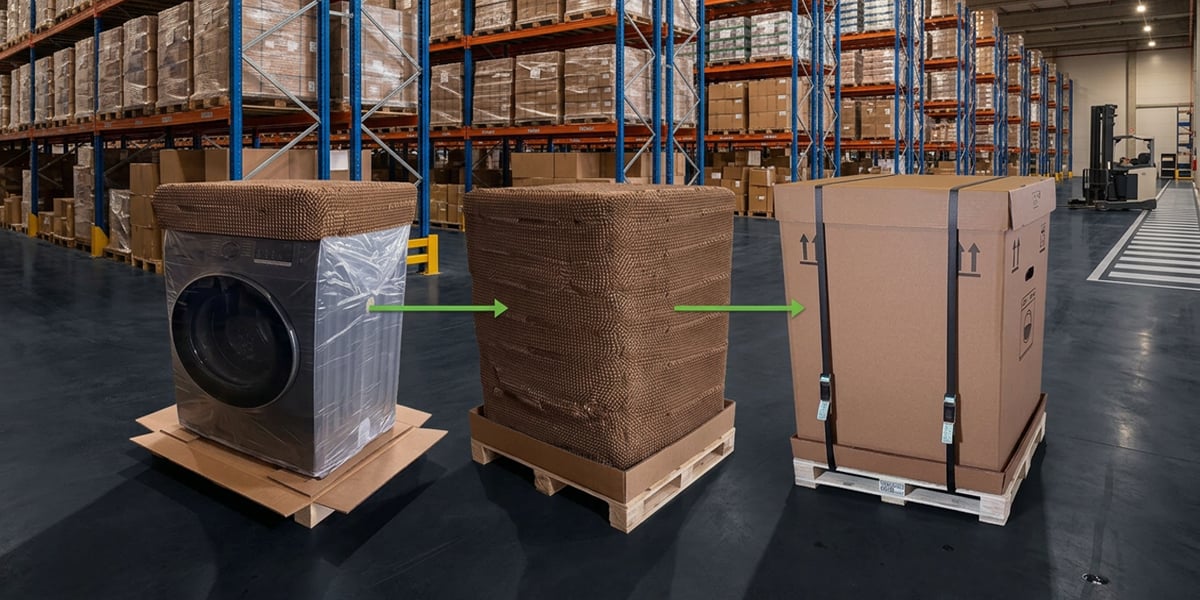
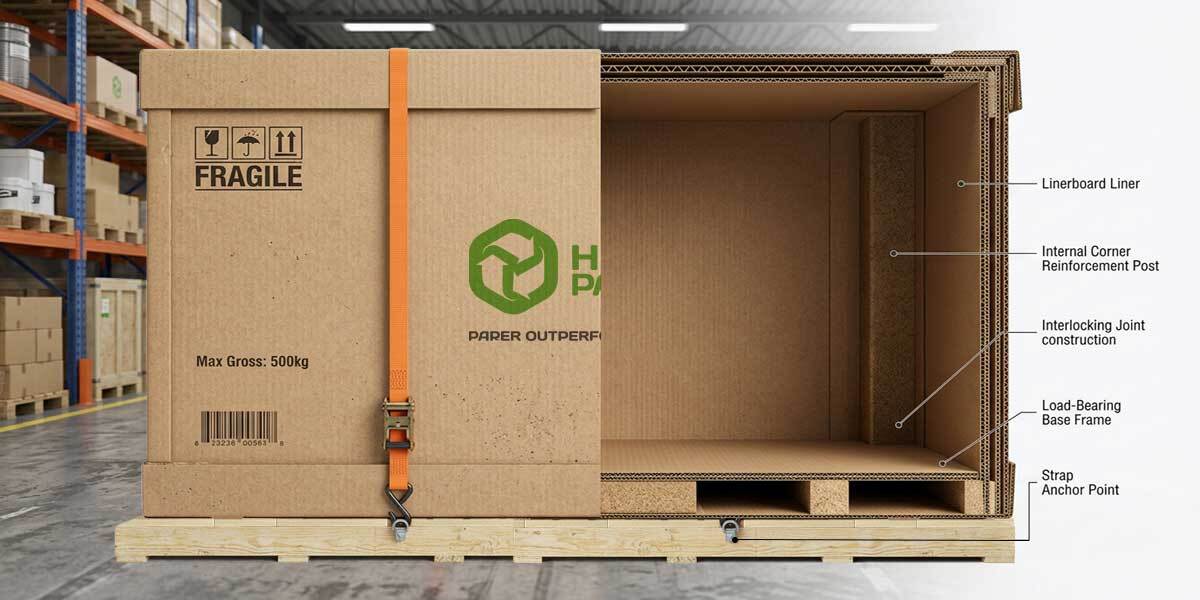
HexaFil is part of the HexcelPack suite of sustainable packaging solutions. In addition to the HexcelWrap product wrap mentioned above, we have sustainable protective mailers, wood-free crating, and the first-ever kraft paper pallet wrap. Reach out to learn more and make the switch to sustainable packaging now.