Common Packaging Mistakes and How to Avoid Them
Mistakes in your packaging process can make or break both the customer experience and your company’s bottom line. Whether you’re a small business on a budget or you have a high shipping volume where errors add up quickly, it pays to eliminate packaging missteps.
This guide on how to avoid common packaging mistakes will help prevent costly returns, poor reviews from frustrated customers, and losing brand footing to your competition. You’ll learn the eight packaging errors most frequently made by businesses of all sizes, including:
- Using shipping boxes that are too large and/or wasting interior packing materials
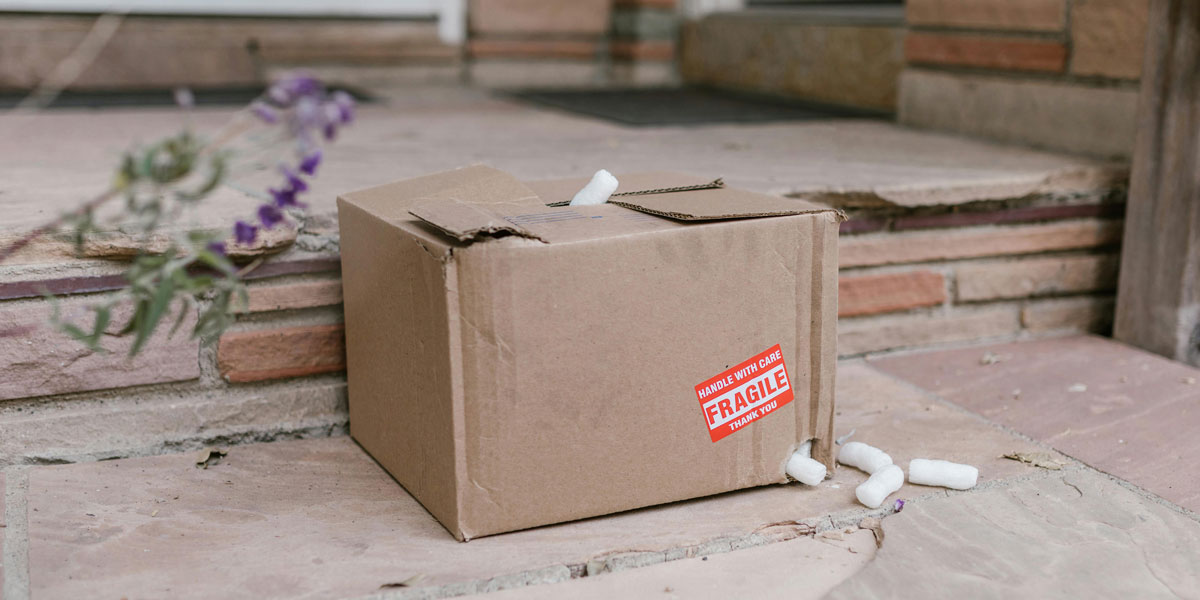
- Failing to provide adequate cushioning for items results in damage and returns
- Not sealing merchandise or outer boxes sufficiently to handle shipping
- Resorting to outmoded, unsustainable packaging like plastic or wood crating
- Choosing the wrong pallet wrap or improper pallet wrapping processes
- Noncompliance with new stricter packaging regulations in the US and abroad
- Missing easy opportunities to boost your brand as part of your packaging
- Forgetting to test your packaging to see what your customers experience
If you find your business has committed these mistakes, there’s good news. You can start fixing packaging errors today by using the suggestions we’ve included in each section.
Oversized Boxes and Wasted Packaging
Overpackaging is one of the most expensive mistakes any business can make because it has multiple negative effects:
- Spending more on packing materials
- Using more storage for packing supplies
- Increasing freight spend for weight and dimension
- Creating avoidable environmental waste
- Making for a negative customer experience
How many times have you been aggravated by receiving a box within a box within another box when ordering something at home? It takes forever to get to the actual merchandise, which is a big deal if the unboxing is part of a social media video with an influencer. Then you’re left with tons of material to break down for recycling—or worse, to dispose of in the trash after just one use (see below).
Oversized or excessive packaging usually stems from two internal issues. First, employees may not have the right-sized outer boxes they need for shipping, or they may not have been trained to select the proper size. Also, using poor-quality internal packing materials, like void fill and product wrap, means they don’t protect well, especially if they compact over time. So you use too much to hedge your bets against damage.
The solutions are pretty simple:
- Make sure the right size outer box is used for each order
- Avoid too many box layers within the outer shipping carton
- Use better quality interior packaging that requires less volume
- Track returns and exchanges to identify damage pain points
- Consider protective mailers for small items instead of boxes
Underprotecting Merchandise
Sometimes businesses swing in the opposite direction when they find themselves using too much packaging. This is often an attempt to save money, but it can backfire when not done correctly.
Not using enough packaging is one common mistake. This can be avoided by:
- Purchasing better quality packaging that protects better with less volume
- Training employees in how much internal packaging to use with orders
- Selecting high-quality outer boxes that can handle the rigors of shipping
- Deciding when manual dispensing vs. automated dispensing is appropriate
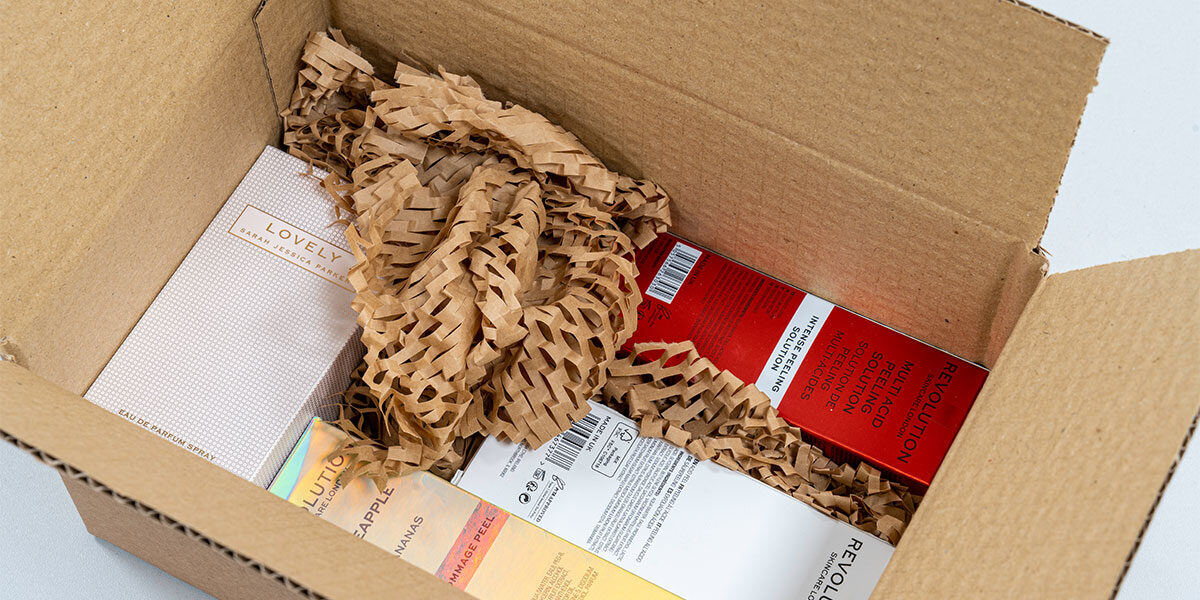
For example, using sustainable void fill with a slit-paper honeycomb design can offer better long-term cushioning. And it can be dispensed automatically to ensure the right amount goes into every box.
Not Sealing Goods and Packages Properly
All merchandise going out to customers and colleagues must be sealed to prevent leakage, loss, or contamination. Obviously, this is essential when shipping goods such as beauty, food, or pharmaceutical products. But it’s also important when sending out merchandise like cleaning solutions, ink, or automotive fluids.
Make sure all items are protected, even when turned upside down or jostled. That might entail adding an extra seal to the top of a bottle, for example, or retooling your vial caps.
Finish by ensuring the tape on the outside of your boxes will hold. Choose high-quality tape (again, to avoid waste), and make certain it’s applied thoroughly and in the right spots to keep every box closed until it arrives at its destination.
Using Non-Recyclable Packing Materials
You can read more below about new legislation mandating the use of sustainable packaging. And consumers want sustainable packing materials too, which is in part driving those new rules. Both government entities and individuals want packaging that won’t further harm the planet. And that means saying goodbye to most types of plastic and many other unsustainable products.
Why? The bulk of plastic used in packaging is not recyclable (yes, even some packaging marked “recyclable” requires special, rare facilities). So it ends up in landfills or as litter. Unlike kraft paper, which is recyclable and compostable, plastic takes decades to centuries to decompose, often breaking down into microplastics along the way. These tiny bits of plastic (aka nanoplastics) are terrible for water systems, animals, plants, and human health. Microplastics are now linked to a variety of potentially lethal health conditions, including cardiovascular disease.
When choosing sustainable packaging, seek out products that are:
- Curbside recyclable and/or compostable
- Made from renewable resources
- Produced with a lower impact on the earth
- Nontoxic via touching or breathing
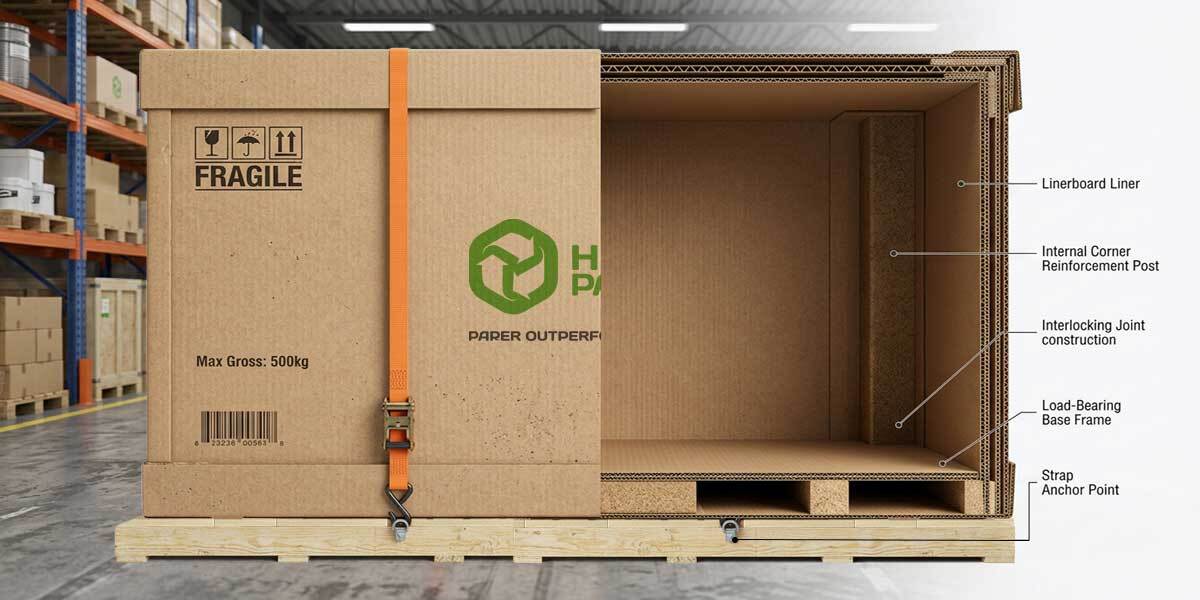
Plastic isn’t the only type of packaging that’s hard to dispose of. Most old-fashioned wood crating also ends up in the refuse because it can’t be reused or burned due to insect- and mold-control treatments. Fortunately, there are innovative alternatives like wood-free crating that also offer better protection of valuable art and equipment, along with a lighter weight and no safety issues like splinters, screws, and nails.
Poor Pallet Wrapping of Bulk Items
Pallet wrapping serves multiple purposes:
- Making loading and unloading of bulk items faster and easier
- Protecting workers who are loading, shipping, and storing goods
- Preserving merchandise while in storage before and after shipping
- Reducing opportunities for contamination and theft of items
When pallet wrapping is done incorrectly, it can cause accidents that damage goods and injure employees. And it can also leave merchandise open to damage and theft.
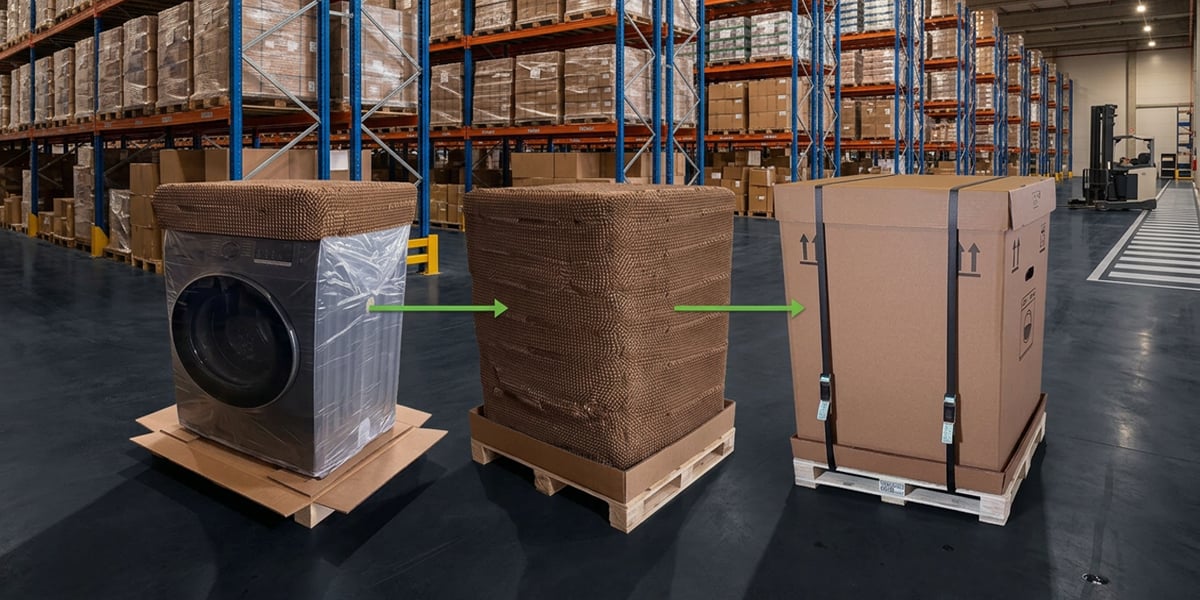
Therefore, you want to choose pallet wrap that provides superior load stabilization without using wasteful amounts during wrapping. Additionally, make sure you’re using the proper pallet wrapping equipment and that employees are fully trained in how to do it to your standards. This is another area where slit-paper technology (versus unsustainable stretch plastic) is an ideal option, offering better load stability and being recyclable.
Noncompliance with Packaging Regulations
Across the US and around the globe, new regulations are being enacted to govern packaging. In particular, single-use packaging (e.g., plastic bubble and foam peanuts) is being phased out in favor of sustainable options. Companies will be required to use earth-friendly packaging and will be responsible for end-of-life options for packing materials.
Failing to comply with these laws can carry unpleasant consequences for businesses:
- Citations and fines for noncompliance
- Inability to ship to certain destinations
- Loss of customers who want compliance
It’s best not to wait until the last minute to determine where your business needs to change to comply with these new rules, especially as more and more states and nations are implementing packaging legislation. Start using sustainable packaging solutions now, and you’ll be ahead of the crowd as deadlines loom to follow these laws.
Missed Branding Opportunities
Your packaging is a great opportunity to enhance your brand image. You have a ready-made audience in your recipients, which saves on labor and expenses to create separate messaging.
What are some ways you can use your packaging to build your business’s brand?
- Print directly on the packaging (vs. flyers and inserts, for example)
- Use smart packaging with QR codes for discounts and instructions
- Create packaging that can be refilled or reused for other purposes
- Reinforce your color palette and logo image in your packaging
- Let customers know you hear them and are using sustainable packaging
Failing to Test Your Packaging Effectiveness
To really know if your packaging is working as it should, you need to test it. That means:
- Seeing if the outer box arrives intact
- Making sure items arrive undamaged
- Checking for leaks and product loss
You may need to test out several types of packaging if you use different options. Make a note of what works and what doesn’t, so you can tweak your process and supplies as needed.
Test How Well HexcelPack Sustainable Packaging Works
You also want to test any potential supplier of packing materials before switching to their products. HexcelPack makes that easy with a suite of sustainable packaging solutions.
All you have to do is send us your merchandise. We’ll re-package and wrap them for you before sending them back. You can see how our products help you avoid the common packaging mistakes above for better customer satisfaction and improvements to your profitability, too.