Fine Art Shipping Crates: Why Museums Are Switching to Sustainable, Wood-Free Logistics
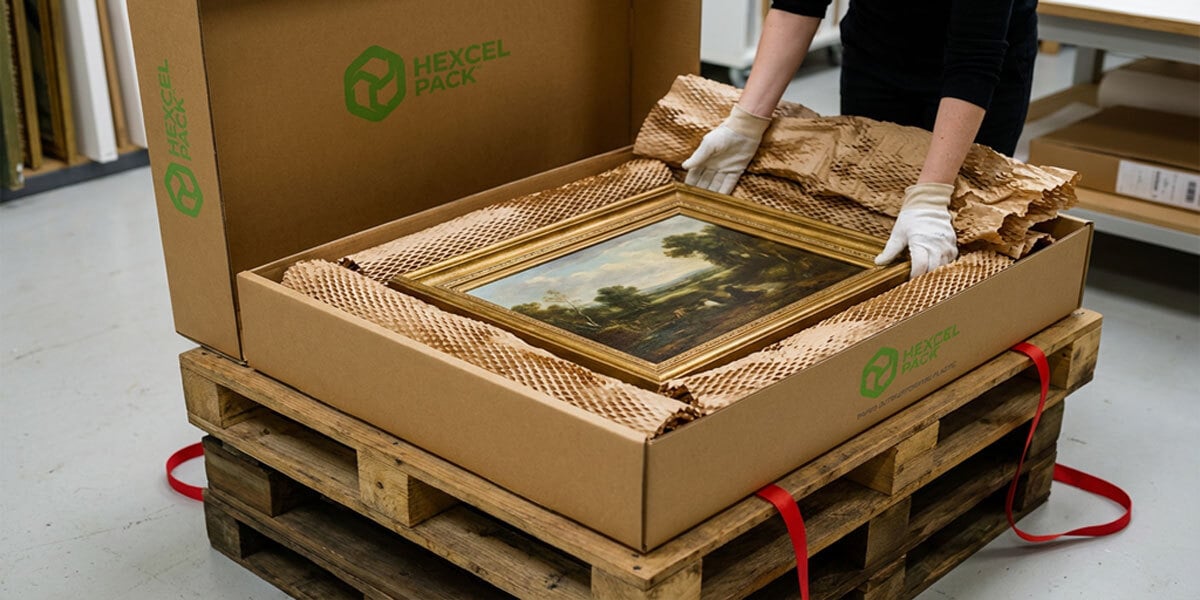
For museum, gallery, and auction house employees who handle works of art, fine art shipping crates are essential tools for safely transporting potentially priceless pieces between institutions and private collections.
However, traditional wooden crates are becoming outdated due to the danger of wood shattering, weight, and the prohibitive size of this type of crating. Instead, recyclable wood-free crating is part of the larger movement to replace single-use packaging with sustainable alternatives.
Here's why museums and art dealers are shifting their shipping procedures by replacing wood with more innovative options--and why you should follow suit.
Museum-Quality Crating Requirements
All artwork being prepared for shipment requires protection, but fine art from museums, galleries, and auction houses needs special protection. The older and more valuable the item, the more carefully crating needs to be prepared for transit.
Protection from Impact
Of course, impact protection is your first concern. Properly packed inside, the crate provides impact resistance, giving recipients confidence in the artwork's safety during transit.
Shielding from the Elements
Art must also be protected from the elements. This is less about a valuable painting being damaged by rain than about excessive moisture seeping into the crate or other environmental factors that affect the item's preservation. Certain antique paints and metals, including frame elements, require protection from moisture, air, excessive dryness, and temperature fluctuations.
Reduced Exposure to Vibration
In many cases, reducing vibration is also essential. Vibration can pose a risk to two-dimensional art, but it’s devastating to delicate sculptures, vases, fabric art, costumes, jewelry, and three-dimensional mixed-media pieces.
Safety for Workers and Recipients
Fine art crating must be safe to handle and be around for museum, gallery, and auction house workers. But it must also pose no risk to recipients, whether they are behind-the-scenes employees at another museum or private buyers.
Efficient and Affordable
Ideally, artwork crating should be efficient to use, especially for institutions that handle a high volume of packing and shipping. With increased shipping costs and shrinking nonprofit budgets, it must also be affordable. This includes the cost of materials, freight, and labor incurred in preparing the shipment.
The Problem with Traditional Wooden Crating
For hundreds of years, museums and galleries have used traditional wooden crates to ship all kinds of fine art. Wood crating in the art world hasn’t changed much over the centuries, aside from the introduction of plywood and new chemicals for tasks such as sealing openings in crates.
It’s still heavy due to the wood used, such as birch and pine. A not insignificant addition to the tare weight is all the hardware and gaskets used to construct and seal the crate. This often makes packing even small works of art a multi-person job due to the lifting, hammering, and screwing involved.
The weight of old-style wooden crates not only makes them labor-intensive but also increases shipping costs. And if the weight of wood crating doesn’t increase the shipping budget, the dimensions of wooden art crates will. Because wood is particularly conducive to vibration transmission, crates must be much larger than the art they contain to accommodate extra cushioning and protection against vibration.
We noted the widespread use of nails, screws, and other hardware to secure wood crates. These pose a constant hazard to both workers and art in transit. To prevent damage and human injury, hardware must be recessed or covered, which increases packing time and cost. Wood splinters are another perennial problem in the art industry, requiring wood crates to be sanded—an additional time and cost burden.
Many types of wood crating are treated with preservatives to resist rot and pests, a requirement for international shipping. This may involve chemicals that are not ideal for preserving fine art. Heat-treated wood may be used instead, but it is less readily available and more expensive.
Certain types of plywood may also offgas unwanted compounds, according to the Association of Registrars and Collection Specialists (ARCS)--- another major drawback.
The chemicals used to treat wood crates mean the material—which is typically used only once—cannot be burned (itself not an ideal disposal solution). It also limits or eliminates the possibility of recycling the crating.
Wood-Free Crating Is a Better Alternative
Progressive museums (and many that are budget-conscious!) are taking a critical look at how many wasteful single-use items are used in the shipping and display of fine art, including crating. Fortunately, there are alternatives to outmoded wooden crating.
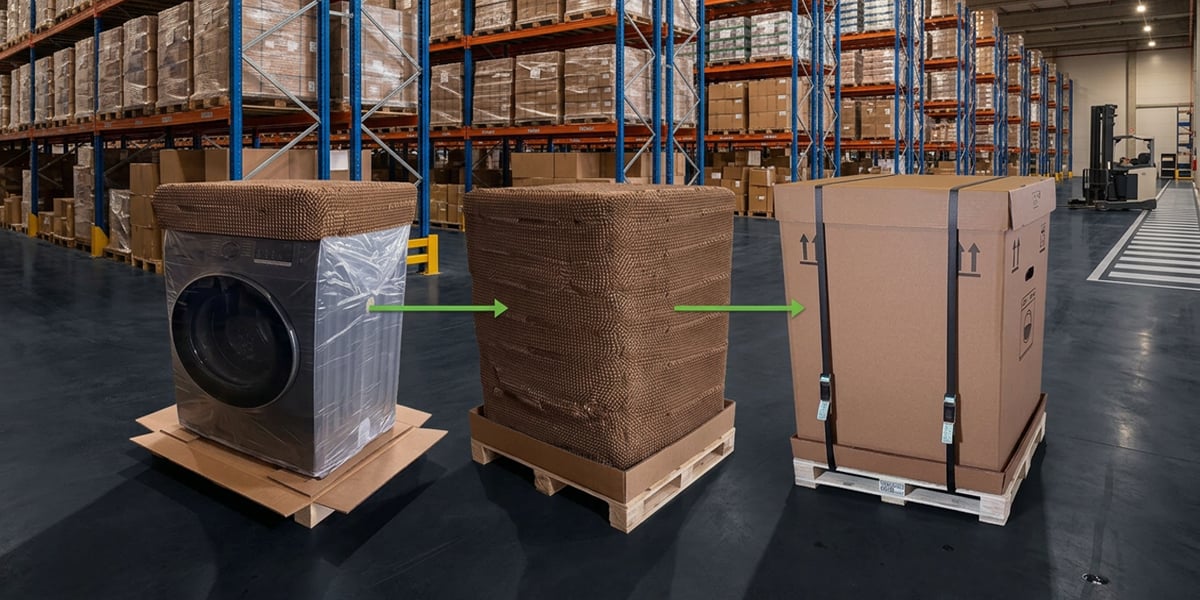
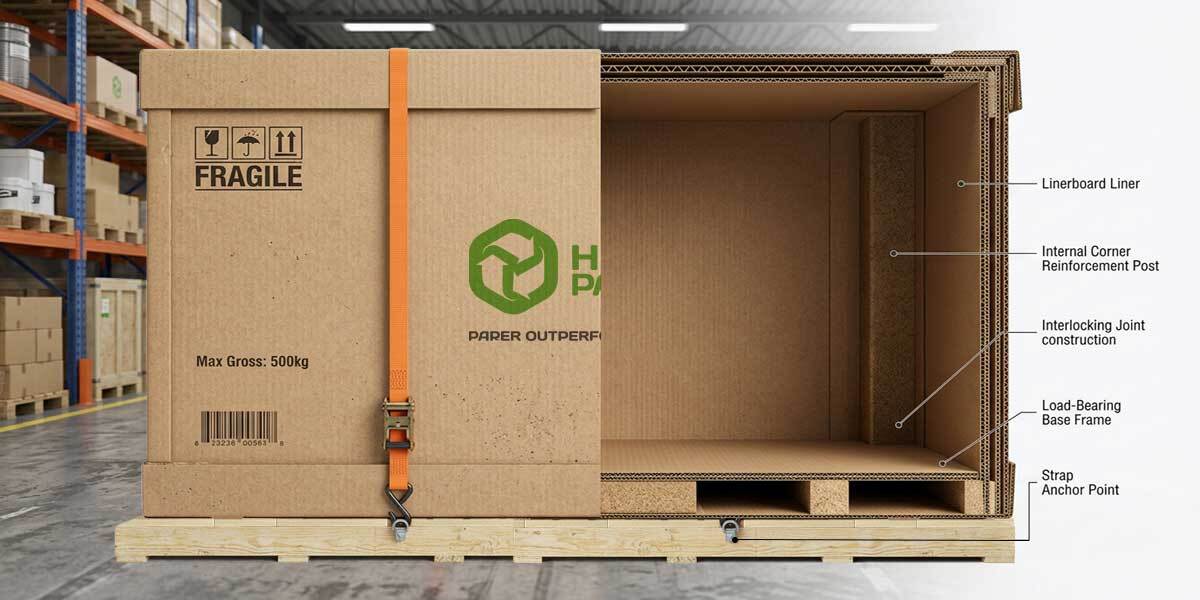
Wood-free crating made from recycled materials is now available for use across a wide range of industries, especially museums and galleries. Not only are these crates a form of sustainable packaging at origin, but they can also be reused multiple times before being recycled rather than disposed of aswaste.
There are other advantages to innovative wood-free crating, like HexcelCrate™, too:
- It provides exceptional shock absorption to cushion precious items from impact.
- The corrugated structure reduces harmful vibration that can ruin fine art.
- It’s much lighter in weight than wood, so it’s less labor-intensive to pack and lift.
- The lightweight design reduces shipping costs, saving organizations money.
- There are no screws, nails, or splinters that could injure workers or damage the art.
- There’s no off-gassing of undesirable chemicals around fragile artwork.
- The crating can be customized to suit large and small works of art.
Wood-free crating is already used by companies such as Lockheed to ship valuable aerospace equipment. You know it can provide the same level of protection for fine art.
Additionally, if your institution is keen to appeal to more eco-conscious clients, using sustainable packing materials is a terrific step forward. Sustainable packaging is gaining popularity as the public learns more about how single-use packaging, such as plastic and treated wood, harms the environment.
Let HexcelPack Customize Crating for Your Fine Art Shipments
If you are a gallery owner or an art logistics manager, HexcelPack would like to discuss switching to wood-free, sustainable crating for your art shipments. We can tailor our HexcelCrate wood-free crating system to your size needs, so you get the perfect protection for your artwork with all the benefits listed above.
Ready to learn more? Reach out to our team today!