Paper vs. Plastic: The Environmental Impact of Traditional Bubble Envelopes
.jpg)
If you're like many businesses, using bubble envelopes to ship small items to customers and work associates is just part of the process. But these old-fashioned, plastic-lined mailers have numerous negatives and can be replaced with a more sustainable alternative.
You don’t have to give up the convenience and economical shipping of protective mailers. You can switch to paper versions instead and actually reap greater benefits to your bottom line and customer satisfaction.
Using Envelopes Instead of Boxes: A Smart Choice
Many businesses, especially solopreneurs and small Etsy-type shops, have switched from shipping merchandise in cardboard boxes to using padded envelopes. Cushioned envelopes are ideal for sending small items like jewelry, cosmetics, miniature art, electronics, t-shirts, and printed materials, including books.
Making this change is a wise move, as protective mailers offer multiple benefits over their boxy competitor, such as:
- Taking up less storage space in the supply and packing areas
- Costs less overall for packaging materials
- Reducing freight spend by weight or dimension
- Creating a better customer experience with minimal packaging
That last point can’t be overstated enough. New studies show that customers get frustrated by excessive packaging because it makes opening shipments a hassle and creates more waste to dispose of. If you’ve ever received over-packaged merchandise, you no doubt know how aggravating it is. For people who order online frequently or receive numerous packages for their business, over-packaging can quickly go from a nuisance to a reason to shop elsewhere.
Amazon “Viners,” for example (people who receive newly launched Amazon sellers’ products in exchange for Vine Voice reviews), often complain in online forums about having to maintain extra refuse bins for all the packing materials they must deal with. In fact, many stop accepting merchandise from sellers who acquire a reputation for over-packaging.
The biggest frustration for those who receive many padded envelopes in the mail is having to throw away the packaging. Even if the exterior is made of paper or cardboard, the interior is often lined with plastic bubble wrap. Let’s explore why that’s no longer a desirable material.
The Downsides of Bubble Envelopes
Poor Protection Leads to Negative Reviews and Returns
There are several major negatives to using plastic bubble-lined mailing envelopes. First, they’re usually less effective at protecting the items they hold than newer, more innovative alternatives. We’ll talk about that in the next section.
A plastic bubble provides minimal padding for fragile items. It tends to become more compact over time—and sometimes the bubbles break—meaning the merchandise can arrive at its destination broken or worn. That creates angry customers, negative seller reviews, and avoidable return and exchange costs.
Eating the cost of a returned item or paying to reship a new one cuts into the profits of every business, no matter its size. Small companies and startups that run lean can’t afford even a small loss of profitability. And even enterprise-level businesses see returns add up because they do a higher volume of commerce.
Plastic Bubble Envelopes Are an Environmental and Health Hazard
On top of marginal performance, plastic bubble mailers are not good for the planet. They can’t be recycled, so they are thrown in the trash, destined for already over-stuffed landfills. According to experts, once in a landfill, the plastic can take decades or centuries to decompose. In the process, plastic releases harmful chemicals into the environment and often degrades into microplastics, sometimes known as nanoplastics.
Microplastics have been found everywhere on the globe today, including the poles. It’s in the ocean, rain, snow, the food chain animals, and the air we breathe. Recent research shows that microplastics are present in human bodies, and they’re believed to be linked to multiple disease states, including infertility, cancer, and cardiovascular problems.
People who handle plastic packaging can also be exposed to the health risks associated with it. This can happen through breathing or handling the material, whether you are a frequent bubble envelope recipient, a worker, or a business owner.
Sustainable Packaging Is Becoming a New Legal Requirement
Because of the many negative impacts associated with plastic packaging, it’s being phased out. Multiple states have enacted new laws to phase out single-use packaging and encourage the use of recyclable packaging materials, with more states considering legislation. Across the globe, the European Union and countries in Asia and Oceania are implementing similar mandates.
Customers Want Sustainable Packing Materials Too
If your company wants to stay viable, you’ll have to adapt to these new sustainable packaging requirements or face stiff fines and loss of business. Also, the number of individual consumers demanding sustainable packaging is rising due to the personal and environmental risks associated with plastic. Switching to sustainable envelopes is a smart move to improve customer satisfaction.
A Sustainable Alternative to Plastic Mailers
Because of the negatives of plastic bubble envelopes, newer options have been developed that are both safer for the planet and for the people who use them. And these kraft paper protective mailers, like Hexcel’Ope, are much easier to dispose of, too.
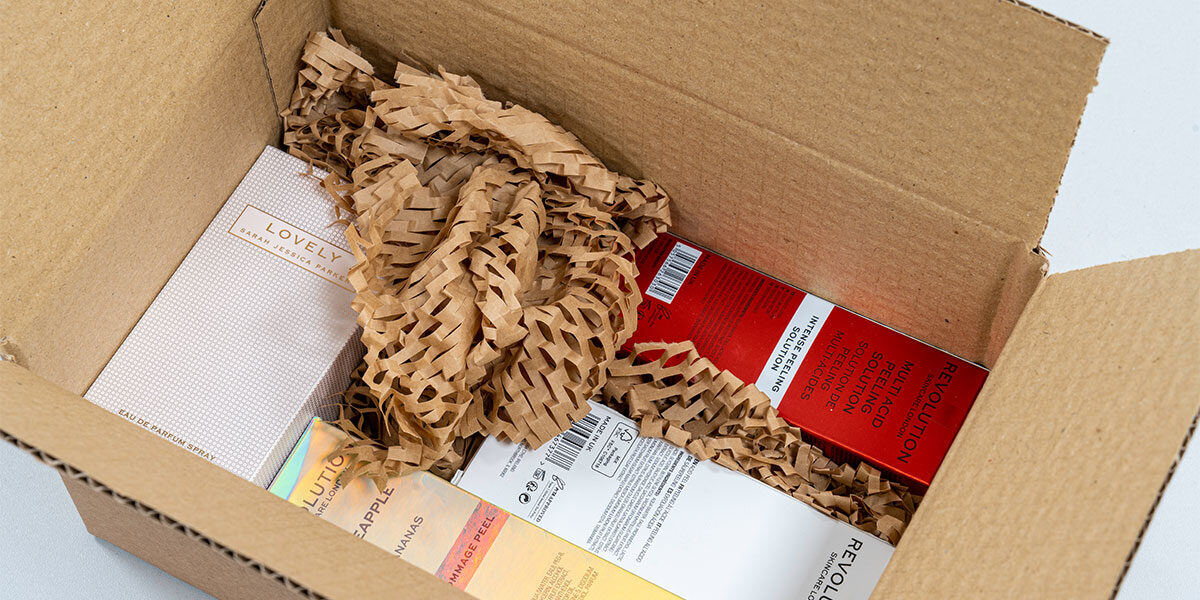
Hexcel’Ope uses slit-paper technology that leverages the honeycomb design's protective properties in use. It won’t compact or break down like plastic bubble liners, so you’ll see fewer complaints and fewer returns due to damage. This is a win-win for both your business and your customers.
Additionally, Hexcel’Ope paper mailing envelopes are sustainable. To earn this designation, they’re:
- Responsibly made from renewable sources
- Manufactured with low impact on the planet
- Non-toxic to everyone exposed to the product
- Curbside recyclable and compostable
Did you know that many supposedly “recyclable” plastics really aren’t recyclable at all? They require specialized recycling facilities—facilities that aren’t present in most communities or located halfway across the country. That makes recycling these plastics a nonstarter for most municipalities.
However, curbside recyclable packing materials can go out with the recipient’s regular refuse for pickup with glass and aluminum cans. It can also be composted with food scraps and yard clippings to make nutrient-rich garden soil or landscape fill. If the paper envelope is only gently used, the recipient can reuse it for another mailing or wrap other items, such as holiday decorations, while it's in storage.
Try Hexcel’Ope to See How Well It Protects Items
It’s easy to see how much better Hexcel’Ope from HexcelPack can cushion your small items in shipment. Talk to our sales team about ordering kraft paper protective mailers for your business, no matter its size. You’ll enjoy better protection for fragile and one-of-a-kind merchandise, and your customers will thank you, too, for looking out for their health and the health of the planet.